Is coconut charcoal better than traditional wood charcoal for modern fuel needs? Many businesses and consumers ask this important question. Therefore, understanding the differences helps buyers make informed decisions. Moreover, performance comparisons highlight long term benefits.
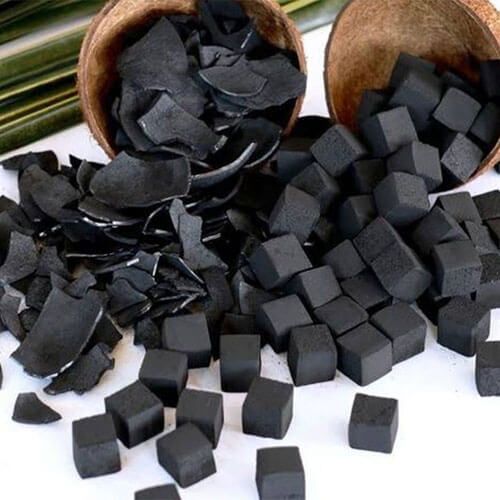
Coconut charcoal comes from carbonized coconut shells. Producers transform agricultural waste into high density briquettes. As a result, the product offers longer burning duration. In addition, it produces lower ash during combustion.
Is Coconut Charcoal Better in Heat Performance?
Does this fuel provide superior heat stability compared to other options? First, the briquettes contain high fixed carbon levels. Consequently, they burn longer and more evenly. This consistency strongly supports professional grilling operations.
Furthermore, uniform cube shapes improve airflow control. Therefore, users manage temperature with greater precision. In addition, steady combustion reduces sudden heat fluctuations. As a result, cooking results become more consistent.
Traditional lump charcoal often burns unevenly. However, coconut briquettes maintain stable structure. Thus, restaurants and catering services prefer this reliable fuel option.
Does It Provide Better Cleanliness and Smoke Control?
Is coconut charcoal better in terms of smoke production? Many users report cleaner combustion compared to wood charcoal. First, low moisture content reduces thick smoke. Consequently, the cooking area remains more comfortable.
Moreover, coconut briquettes generate minimal ash residue. Lower ash simplifies grill maintenance significantly. In addition, reduced airborne particles improve overall air quality. Therefore, indoor and outdoor environments stay cleaner.
Many businesses choose Coconut charcoal cubes for their balanced heat distribution. The cube shape ensures even burning on all sides. As a result, users experience efficient and long lasting sessions.
Is Coconut Charcoal Better for Sustainability?
Is coconut charcoal better from an environmental perspective? Producers use renewable coconut shells as raw materials. Therefore, the production process supports waste recycling. Moreover, sustainable sourcing strengthens eco friendly branding.
Unlike wood charcoal, coconut based briquettes do not require cutting trees. Consequently, they reduce pressure on forests. In addition, recycling agricultural byproducts adds economic value. This approach benefits both producers and communities.
You can explore export quality coconut shell charcoal briquettes at jacoid.com. The company provides detailed product specifications and quality standards. Furthermore, the website highlights density, moisture, and ash content information. As a result, buyers gain transparent and reliable purchasing guidance.
Is Coconut Charcoal Better for Commercial Use?
Is this fuel more efficient for restaurants and hookah lounges? Its longer burn time reduces frequent replacement. Therefore, businesses control costs more effectively. Moreover, stable heat improves service efficiency during busy hours and maintains consistent customer satisfaction.
Additionally, consistent briquette size simplifies inventory planning. Predictable performance reduces customer complaints. Consequently, companies strengthen their professional reputation.
Reliable suppliers maintain strict quality control standards. Therefore, distributors receive uniform and durable products. In addition, proper packaging protects briquettes during shipping.
Cost Efficiency Benefits
Cost efficiency plays an important role in fuel selection. Longer burning duration reduces replacement frequency. Therefore, businesses save time and operational expenses. Moreover, consistent performance minimizes waste and improves overall productivity.
Conclusion
Is coconut charcoal better ultimately depends on performance, cleanliness, and sustainability factors. High density briquettes offer stable heat and low ash output. Moreover, renewable sourcing supports environmental responsibility. Therefore, businesses seeking efficient and eco friendly fuel solutions often choose coconut shell charcoal for long term success.