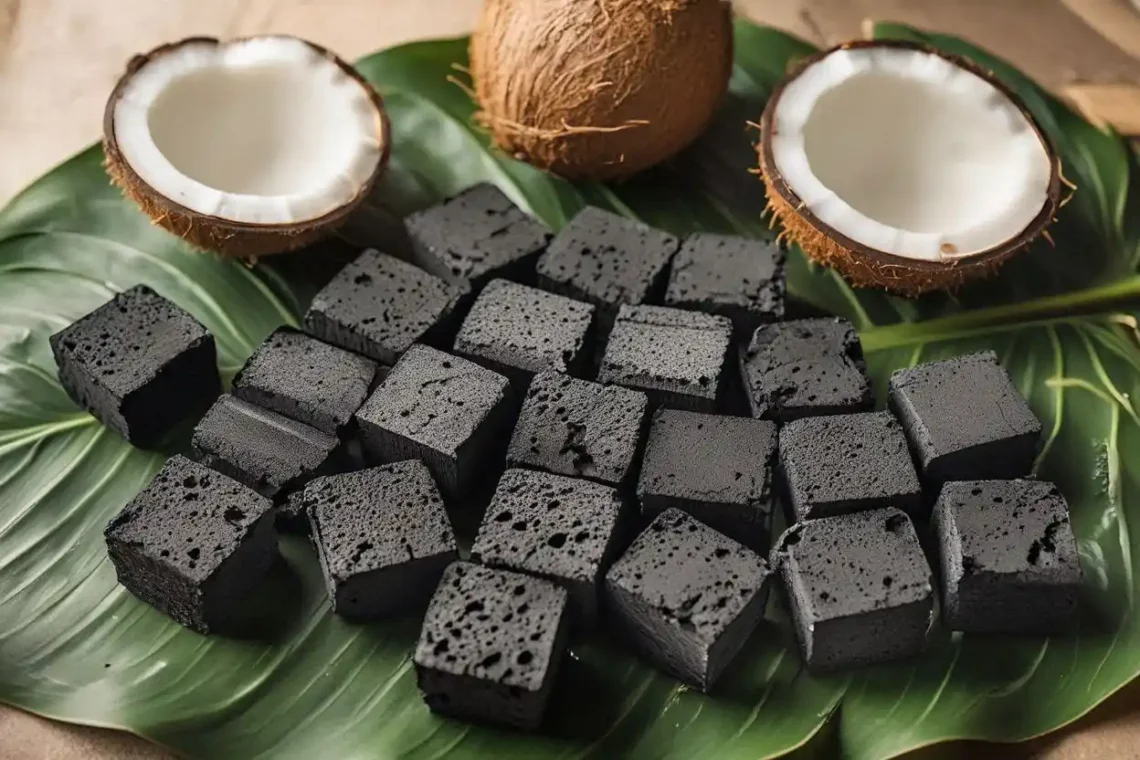
Eco friendly coconut shell charcoal has become the preferred choice for consumers and businesses that care about both performance and environmental responsibility. Unlike conventional wood charcoal, this product uses agricultural waste as its raw material, which means no trees get cut down during production. That single fact makes a significant difference in today’s climate-conscious market.
Furthermore, demand for sustainable fuel alternatives continues to rise globally. As a result, coconut shell charcoal now serves hookah lounges, barbecue enthusiasts, and industrial users across dozens of countries worldwide.
Why Coconut Shell Charcoal Is Eco Friendly
The environmental advantage of eco friendly coconut shell charcoal starts at the source. Coconut shells are a natural byproduct of the food and beverage industry — manufacturers collect them after processors extract coconut meat, milk, and oil.
Consequently, using coconut shells for charcoal production adds value to material that would otherwise become waste. This circular approach reduces landfill volume and lowers the overall carbon footprint of the entire production chain.
Additionally, coconut trees grow abundantly in tropical regions without requiring deforestation. In contrast, traditional wood charcoal production contributes directly to forest degradation and biodiversity loss across many producing regions.
Performance Benefits Beyond Environmental Value
Eco friendly coconut shell charcoal does not ask you to sacrifice performance for sustainability. In fact, it outperforms most conventional charcoal types across every measurable category.
Here is what makes coconut shell charcoal stand out technically:
- High carbon content — typically above 72% for efficient, long burns
- Low ash production — less than 3% residue keeps setups clean
- Each piece lasts between 60 and 90 minutes under normal conditions
- Zero chemical additives — burns naturally without toxic emissions
- Neutral odor — keeps your shisha flavor pure and intact
- Dense cellular structure — maintains shape and heat consistency throughout
Moreover, the absence of chemical binders means the smoke stays clean and safe for indoor use. This quality makes coconut shell charcoal especially valuable for hookah lounges where air quality directly affects customer comfort.
How to Choose Quality Eco Friendly Charcoal
Not all coconut shell charcoal products deliver the same environmental or performance standards. Therefore, buyers need to evaluate products carefully before committing to bulk orders.
Start by checking the production origin and raw material sourcing. Genuine eco friendly coconut shell charcoal comes from verified agricultural byproducts, not mixed wood waste with coconut shell added for branding purposes.
Next, look for certifications that confirm environmental and quality claims independently. Working with a trusted coconut charcoal briquette supplier who provides full product transparency gives buyers confidence that every batch meets expected standards consistently.
Eco Friendly Charcoal as a Business Advantage
For businesses, switching to eco friendly coconut shell charcoal creates marketing value alongside operational benefits. Consumers increasingly choose brands and venues that demonstrate genuine environmental responsibility in their purchasing decisions.
In addition, hookah cafés and restaurants that promote sustainable charcoal use attract a growing segment of eco-conscious customers who actively seek out responsible businesses. For business owners who want to explore sustainability trends and sourcing strategies in greater depth, jacoid.com offers a comprehensive collection of articles covering these topics from multiple practical angles.
Conclusion
Eco friendly coconut shell charcoal represents a genuine win on two fronts — outstanding burn performance and meaningful environmental responsibility. It delivers longer sessions, cleaner smoke, and lower ash output while eliminating the deforestation impact of conventional charcoal production.
For consumers, it means a better experience every time. For businesses, it means a stronger brand position in a market that increasingly rewards sustainability. Choosing coconut shell charcoal reflects a broader commitment to quality, responsibility, and a more sustainable approach to everyday consumption.