
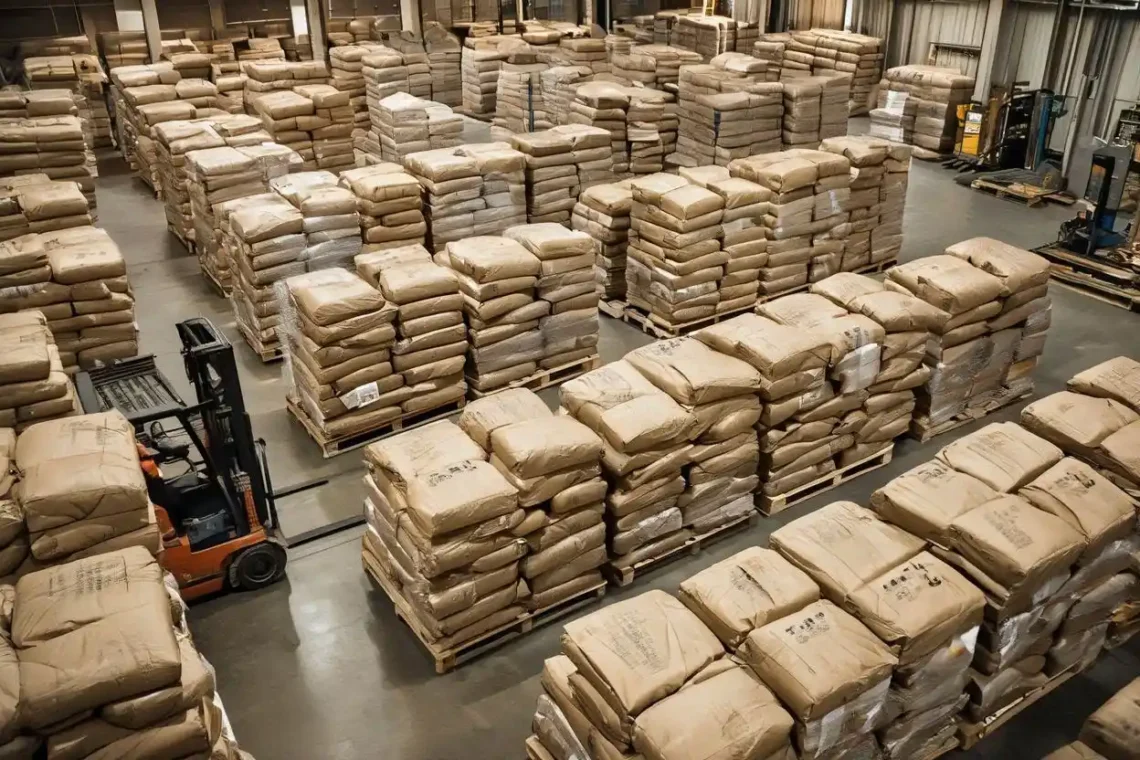
Businesses that explore coconut charcoal products for export tap into one of the most consistently growing segments in global commodity trade. Indonesia supplies a large share of the world’s coconut shell charcoal. The country serves buyers across Europe, the Middle East, Asia, and North America. In fact, demand keeps rising as more markets shift toward natural, sustainable fuel alternatives.
Because of this, understanding how the export process works gives producers and traders a real edge. Knowing what buyers actually need makes that advantage even stronger.
Why Coconut Charcoal Dominates Export Markets
Coconut shell charcoal outperforms wood-based alternatives in several key areas that export buyers prioritize. It delivers higher carbon content, lower ash output, and a longer burn time per unit. Consequently, premium hookah lounges, BBQ brands, and industrial buyers worldwide prefer it over other charcoal types.
Moreover, coconut shell qualifies as a renewable agricultural byproduct, which strengthens its appeal in sustainability-focused markets. Buyers in the EU and North America now require environmental credentials alongside product quality. Therefore, Indonesian suppliers who meet both standards secure stronger, longer-term contracts.
Key Coconut Charcoal Products Buyers Request
Export buyers typically request specific product formats depending on their end market. Understanding these formats helps producers align their output with actual market demand.
The most common export products include:
- Hookah and shisha briquettes — cube or finger shapes with low ash and neutral odor, serving the Middle East and European lounge markets.
- BBQ briquettes — pillow or hexagonal shapes with high heat output, popular across retail markets in Germany, the Netherlands, and Australia.
- Activated charcoal powder — fine-grade material for cosmetic, pharmaceutical, and water filtration industries globally.
- Lump charcoal — natural irregular pieces for direct grilling, favored in specialty food markets.
Suppliers who offer multiple formats attract a wider buyer base. They also reduce dependence on any single market segment.
Export Standards and Certifications That Matter
Meeting international standards separates successful exporters from those who struggle at customs. Buyers expect specific documentation before they commit to any shipment. For a detailed breakdown of compliance requirements, explore coconut shell charcoal for export through dedicated sourcing guides that offer practical checklists.
In general, exporters prepare laboratory test reports confirming carbon content, ash percentage, moisture level, and calorific value. Additionally, food-safe certifications matter when products touch cooking or food preparation. Furthermore, suppliers who keep these documents ready build faster trust with international buyers.
How to Position Coconut Charcoal for Global Markets
Positioning coconut charcoal products effectively requires more than competitive pricing. In fact, buyers also weigh packaging quality, lead time reliability, and order flexibility. Furthermore, consistent product quality across multiple shipments builds the kind of reputation that generates referrals and repeat orders.
Indeed, producers who invest in branding and professional export documentation consistently win more contracts than those who treat export as purely transactional. For broader perspectives on export strategy and market positioning, evilmutant.com covers topics that business owners and traders find practical and insightful.
Conclusion
Coconut charcoal products for export represent a strong business opportunity for Indonesian producers and international traders alike. In short, natural raw material abundance, growing global demand, and rising sustainability standards all create favorable conditions for well-prepared suppliers. By understanding buyer needs, meeting certification requirements, and delivering consistent quality, you position your business for long-term success. Therefore, invest in proper documentation, align your formats with target market needs, and build relationships on transparency rather than price competition alone.